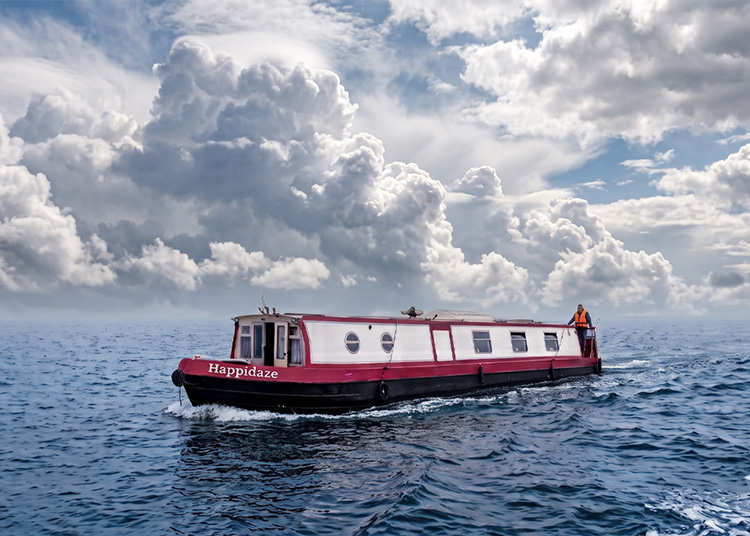
Boston to Denver Sluice Passage
Most canal boats have flat hulls and aren’t built for the open sea, but with good planning, you can still make a safe trip.
To get our boat from Lincolnshire to Cambridgeshire, we had to leave Boston early, head quickly through The Haven, cross The Wash, and enter the fast-moving River Great Ouse. After dealing with strong tides, our goal was to reach the lock at Denver Sluice. Once through, we could relax in the calmer, non-tidal waters of West Norfolk and Cambridgeshire.
The trip is about 40 miles and takes roughly 12 hours. Before we could plan the details, though, we had to find a pilot.
Get a pilot
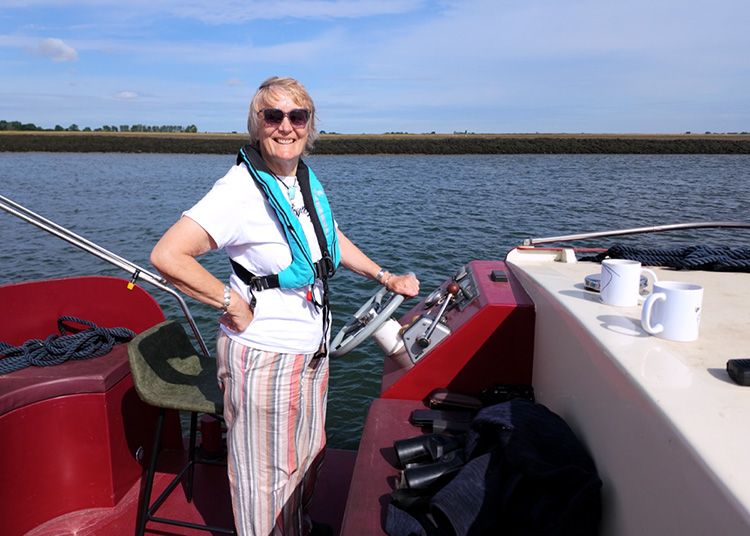
Even with years of sailing and navigation experience, we still hired a pilot. It wasn’t just because our insurance required it—a local expert’s knowledge of tides and shifting sandbanks in the open sea is incredibly helpful. We chose Daryl Hill, a well-known pilot from Boston who’s been in several narrowboat YouTube videos and comes highly recommended. He’s a commercial pilot, knows The Wash inside out, and is always happy to share his knowledge and boat-handling skills.
We cannot recommend Daryl highly enough. Contact him by phone: +44 7909 880071
Choosing a departure window
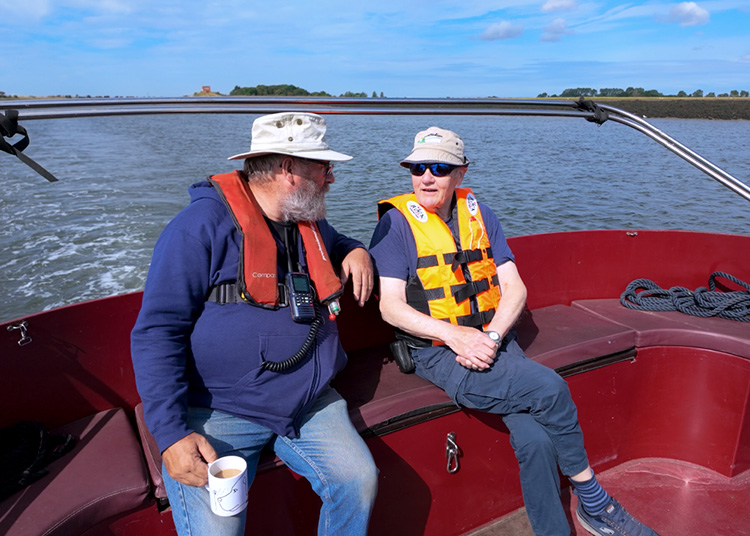
Beyond selecting the right time and tide, choosing a favourable weather window is the most important part of planning. We gave Daryl our ETA in Boston so he could suggest suitable departure windows.
Tides
To cross the Wash from Boston, leave on a falling spring tide early in the morning during the long summer days. This increases the amount of available daylight and lets the tide push the boat out of Boston and into the Wash. Most spring tide windows last about seven days, but they aren’t the only factors that determine a successful departure and crossing.
Weather
Sea conditions and wind direction are crucial.
Our boat, Happidaze, can handle waves up to about 0.5 meters. Since wave height depends on wind, any onshore wind coming from the North Sea has had plenty of time to build and can be risky. We wanted a light offshore wind. A gentle south-westerly is best because it blows over land and keeps the waves small. Most of the route goes north of the sandbanks, which help calm the sea. The Windy weather app showed a south-westerly at 10 knots, gusting to 15, with waves between 0.3 and 0.5 meters. We couldn’t have asked for better weather.
Crossing The Wash
The CRT runs the lock at Boston, which separates the River Witham from The Haven. You need to book this in advance. The falling tide carries you along The Haven until it meets the Welland in the estuary and then out into The Wash.
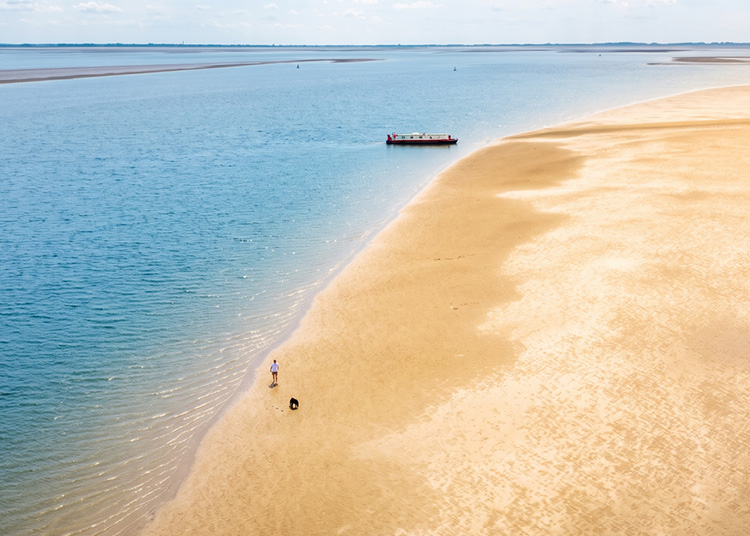
After weaving between sandbanks and following channels (that you can only see on your chart), the tide starts to slow down. About two-thirds of the way across, you can drop anchor in the open sea and wait for the tide to turn. Or, even better, you can beach your boat on a sandbank and enjoy a paddle or walk the dog.

Preparation and Navigation
Watch the video below for more on how to prepare and navigate a trip like this.
Six Top Tips For An Open Sea Passage
- Make sure your boat is in good shape. The engine will be running hard for hours, so do your usual checks. Remember to fill up with fuel and bring spare filters and belts.
- When choosing a good time to leave, start talking to your pilot a few weeks ahead and check the weather every day. Since it’s a long trip, it’s best to go in the summer when you have the most daylight.
- Have a few people on board to share steering and take turns keeping watch. Even if your crew is willing to help, remember the pilot’s main job is to navigate.
- If you travel with other boats, you can share a pilot and save money. Going as a group also means you have support and safety in numbers. We heard about one boat that broke down on a sandbank, but because they were with a flotilla, their friends helped them get safely across The Wash.
- Don’t rely solely on your pilot for navigation; make your own plan, learn the route, and know its hazards ahead of time. Learn where the sandbanks are in the Wash, and check the air draft for the river bridges. On the River Great Ouse, you’ll be passing under them on a rising spring tide.
- Never let anyone push you to leave if you’re not comfortable with the conditions. As skipper, you’re responsible for your boat and crew. The pilot is there to advise, but the final decision is yours. If you don’t think it’s safe, don’t go.
And finally, if Daryl is your pilot, don’t forget to bring plenty of Yorkshire tea and bacon!
If you like our content and would like to support us, we will give you ad-free access to our videos before they go live to the public, discounts in our shop, access to Jamie’s iconic full-res photographs, and supporter-only blog posts. Click our ugly mugs for more info!