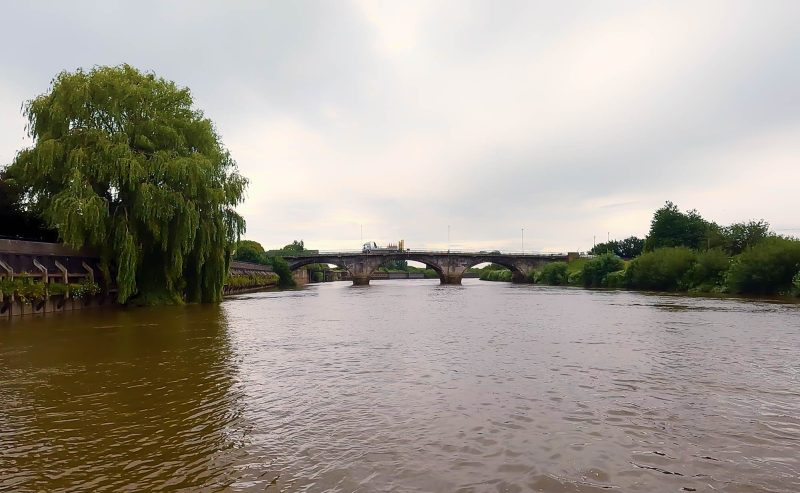
Last week, we successfully navigated the first challenging leg of our journey down the River Trent, arriving at Gainsborough with the turning tide. This week, our plan was to continue further upstream to Torksey Lock, where we would transition from the tidal river into the calmer waters of the Fossdyke Navigation. Before our departure, however, we took the opportunity for a brief walk around the historic town of Gainsborough, a place with a surprisingly rich past.
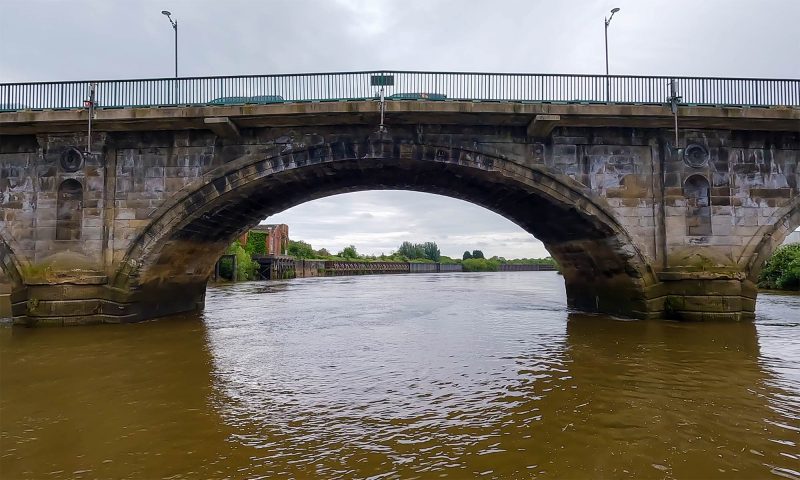
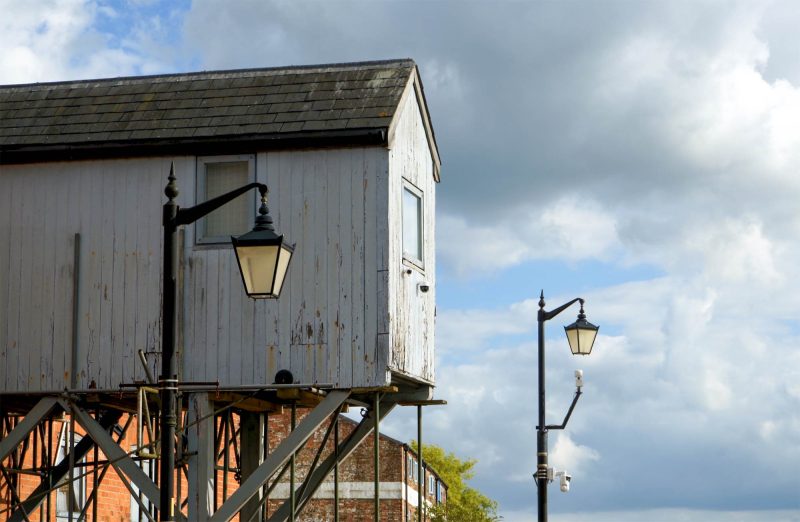
Gainsborough was once a significant inland port, though its prominence in river trading diminished after the Trent Bridge was built in 1791, impeding access for larger barges. Today, only a single wharf remains on the riverfront, a quiet reminder of its bustling past.
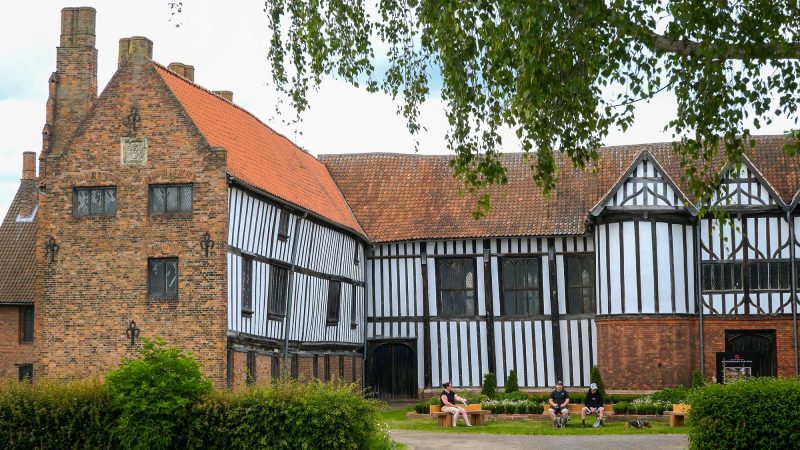
One lesser-known fact we discovered is that Gainsborough served as the capital of both England and Denmark, albeit for a mere five weeks in 1013. Its recorded history stretches back to a church in 1180 and a weekly market established in 1204. Our brief stroll through its streets revealed fragments of this long history, including the impressive Gainsborough Old Hall, a 15th-century timber-framed manor. This hall famously hosted Henry VIII and Catherine Howard in 1541, with rumours of Catherine’s illicit activities during that visit contributing to her later downfall. While our short stay did not allow for an in-depth exploration, the Old Hall, one of Britain’s best-preserved manor houses, is now open to the public and certainly warrants a longer visit.
Our departure from Gainsborough’s floating pontoon required careful consideration, as we were casting off with the running tide. Our concern was that the current might push Happidaze onto the wall before we had sufficient time to steer clear into the main flow of the river. Fortunately, the natural tendency for the bow to drift outwards, combined with the weight of our wide beam, made the process quite manageable. There was no need to spring the stern line; the boat simply moved out into the middle of the river as we anticipated. It was a sedate and well-executed manoeuvre, far less daunting than we had imagined.
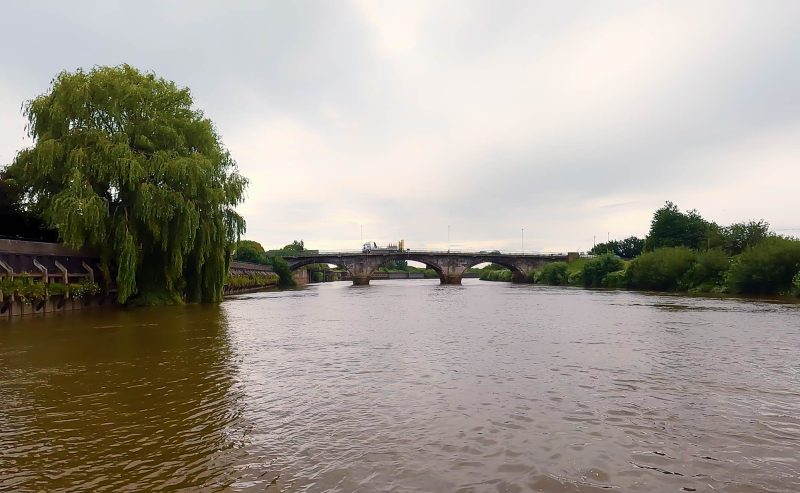
Once clear of the pontoon, we continued our journey up the Trent. The speed of the water, particularly around the foundations of Gainsborough Bridge, offered a clear indication of the strong current assisting our passage. We appreciated the historic architecture of Gainsborough and acknowledged the efforts being made to restore its charm. While we regretted not being able to spend more time exploring its beautiful buildings and rich heritage, our itinerary pressed us onward. Soon, we passed the prominent Kerry building, a large silo that dominates the river’s edge, a familiar landmark often filmed by those traversing this waterway.
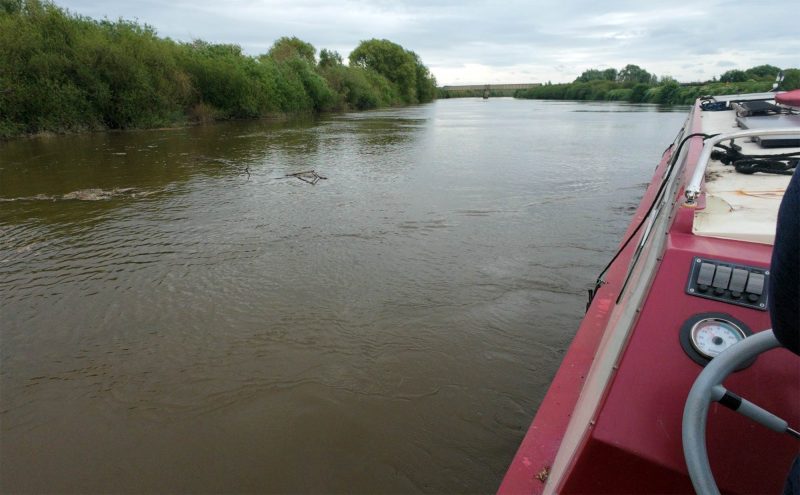
The conditions on the second day were notably cooler and windier than on our previous trip, adding another element to contend with. Despite the challenges, we continued to navigate around the significant amount of debris floating in the water, which seems to be a constant feature of the tidal Trent. We approached the railway viaduct, a recognised hazard with one navigable arch. Following the upstream guidance, we kept to the port side, being mindful of any potential oncoming traffic, though the strong tide usually means most vessels are moving in the same direction. We had timed our departure from Gainsborough for 8:30 AM, understanding that slack water, when the tide turns, occurs later, further upstream. This timing allowed us to leave on a rising flood tide, providing ample water depth and a helpful push.
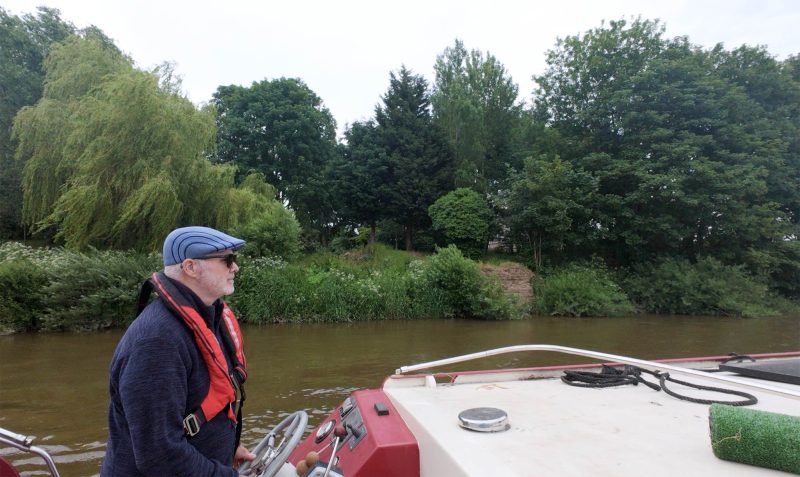
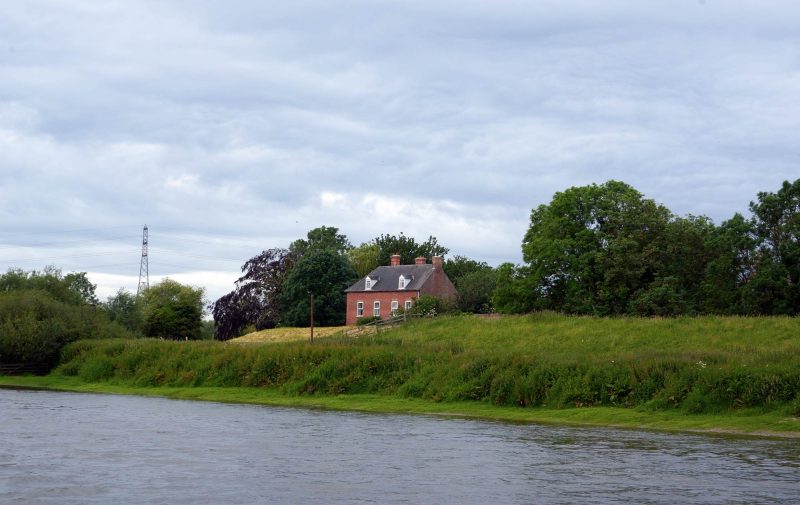
The journey offered varied scenery; the river was mostly wide, providing plenty of room to manoeuvre around floating logs and debris. Occasionally, it would narrow, particularly around bends, creating a more canal-like feel. We observed sand martins nesting in the riverbanks and passed some very smart houses with sloping lawns. Further along, we saw the remains of Heynings Priory, Kneith, through the trees, a historic site that is open to visitors. The river conditions changed at one point, with “white water” indicating a wind-against-tide situation, causing some chop and necessitating Liz to retreat inside for a while due to spray and a few drops of rain.
As we neared Torksey Lock, we were mindful of an old Roman Ford marked on our charts, which suggested potentially shallower waters in that area. Around the next bend is Marton Mill Corner, navigated carefully, using pairs of posts on the bend as leading lines to ensure we stayed within the safe channel, much like sailing leading lights. To be honest, the tide was so high it probably wasn’t an issue, but we followed the suggested route anyway.
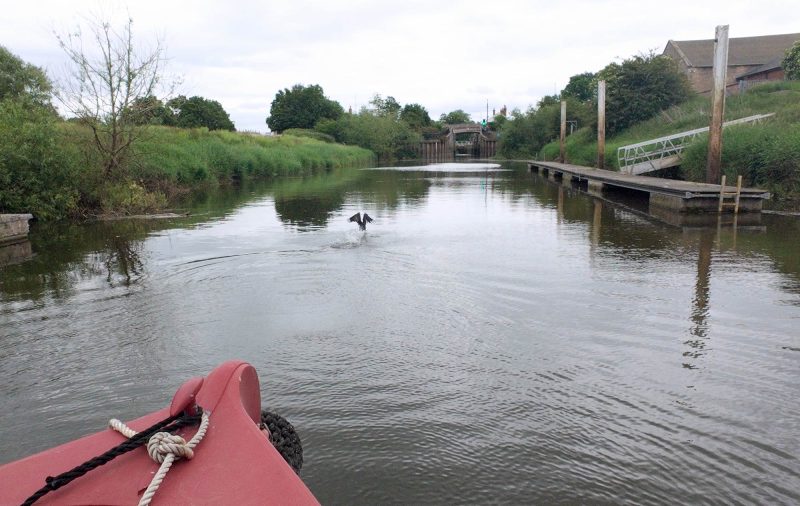
Our arrival at Torksey Lock was well-timed; Richard, the lock keeper from Keadby, had been alerted and was there to open the lock for us.
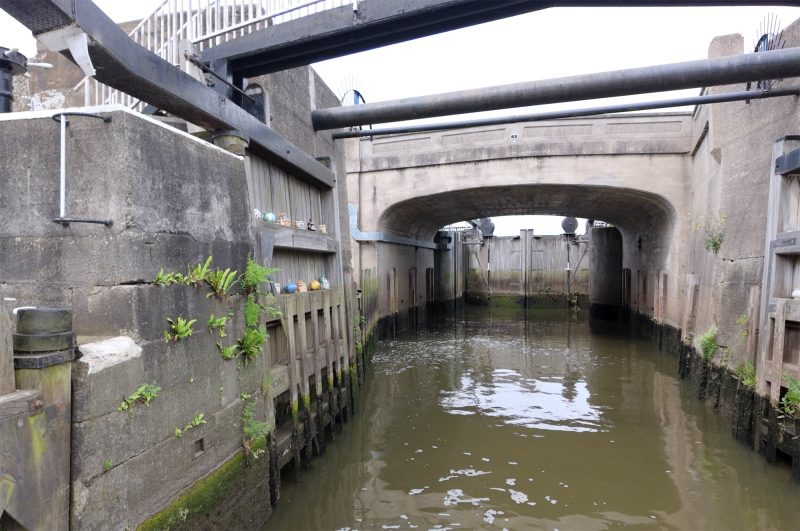
This allowed for a smooth, direct entry from the tidal river into the lock chamber, without the need to wait or moor on the pontoon. The transition back to the calm, flat waters of the Fossdyke Navigation felt almost effortless after the dynamic environment of the Trent. We were securely through, ready for the next stage of our journey on inland waterways.
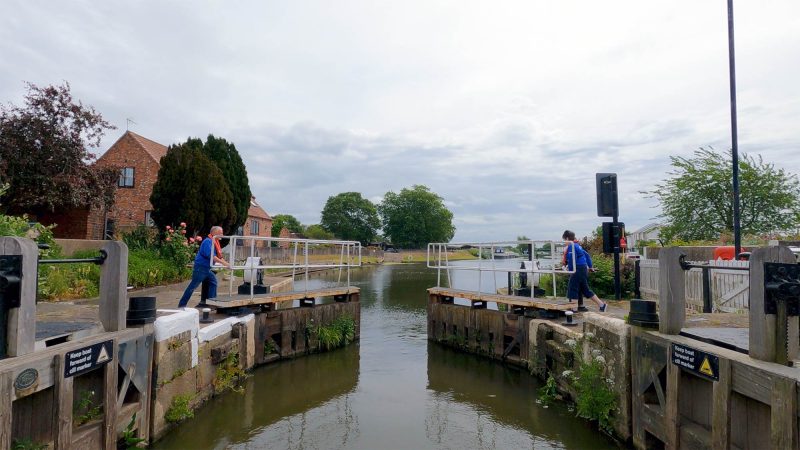
If you are looking to do The Trent, don’t forget to purchase The Boating Association’s charts, which provide useful info and a suggested track to follow along the entire length of the river.
0:00 – 0:33 Gainsborough’s Historic Charm
0:33 – 2:40 Gainsborough Old Hall & Town History
2:40 – 3:14 Departing Gainsborough: Tidal Manoeuvre
3:14 – 4:44 Tidal Trent Journey Begins
4:44 – 5:08 River Hazards: Debris & Wind
5:08 – 6:47 Railway Viaduct & Tidal Strategy
6:47 – 8:06 River Views & Wildlife
8:06 – 10:17 Tidal Trent Navigation & Conditions
10:17 – 12:13 Roman Ford & River Features
12:13 – 15:19 Arriving at Torksey Lock: Canal Transition
Click here if you can’t see the embedded video.
If you like our content and would like to support us, we will give you ad-free access to our videos before they go live to the public, discounts in our shop, access to Jamie’s iconic full-res photographs, and supporter-only blog posts. Click our ugly mugs for more info!